Thinking about selling your Lititz home but worried about pricing it right? You are not alone. Pricing is the strongest lever you control, and getting it wrong can cost you time and money. In this guide, you will learn how Lititz buyers shop, what data to pull, and which pricing strategy fits your goals so you can launch with confidence. Let’s dive in.
Understand Lititz demand
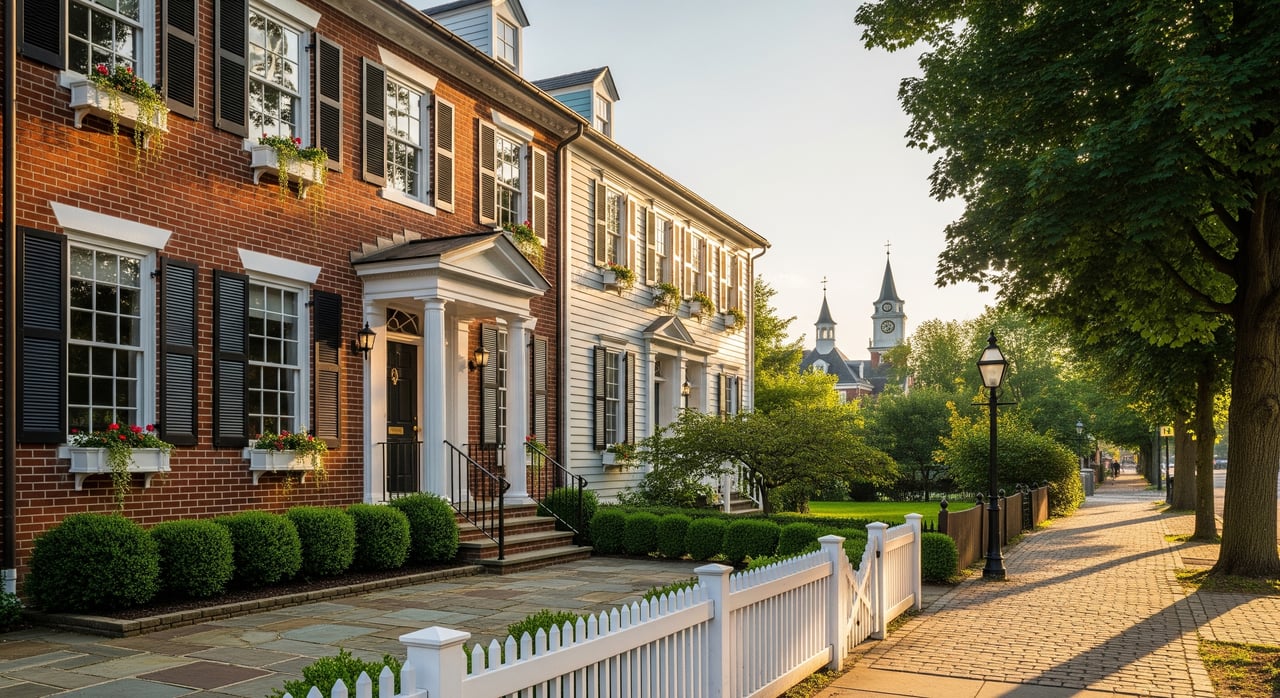
Lititz is a small borough with a historic downtown, walkable streets, and access to regional highways. These features often support a premium for well-maintained, updated, or historic homes, especially those near downtown amenities. Many buyers also value garage or off-street parking and usable outdoor space.
Seasonal timing matters. Spring and early summer usually bring more showings and stronger offer activity. Winter typically means fewer buyers and longer days on market. Broader forces like mortgage rates, local employment trends, and inventory levels across Lancaster County also shape what buyers can afford and how quickly they move.
What buyers prioritize
- Move-in ready condition, especially kitchens and bathrooms.
- Functional layouts, finished or useful basements, and storage.
- Garage or reliable parking and outdoor living space.
- Proximity to downtown amenities, shops, and parks within the borough.
Build your pricing baseline
A defensible list price starts with data. Before you choose a strategy, gather the right numbers and read them correctly.
Pull the right comps
Focus on recent solds in Lititz, ideally the last 90 days. If activity has been slower, extend to 6 to 12 months. Adjust for bedroom and bathroom count, condition, lot size, updates, finished basement status, and whether there is a garage. Unique or historic features can change your buyer pool, so weigh those carefully.
Read active and pending competition
Buyers compare your home to what is available today. Review active and pending listings to see your true competition. Ask how your home stacks up on condition, size, outdoor space, and location within the borough or nearby townships.
Track key pricing metrics
- Days on Market: Rising DOM often signals overpricing or weak demand.
- Sale-to-List Ratio: Above 100 percent suggests bidding pressure, below 95 percent suggests buyer leverage.
- Price per Square Foot: Use as a baseline only. Adjust for quality, layout, and lot value.
- Inventory and Absorption: Fewer months of supply favors sellers. More supply calls for tighter pricing and stronger presentation.
- Buyer Activity: Monitor showing requests, open house turnout, and online views to confirm if your price is landing.
Choose a strategy that fits your goals
Pick a pricing approach that matches market conditions and what you want from the sale.
Market-value pricing
Price at an objective market value based on a thorough CMA. This approach attracts qualified buyers, reduces friction in negotiations, and supports a predictable timeline. Revisit if market conditions shift.
Slight underpricing to spark competition
List a touch below market value to drive showings and encourage multiple offers. This can work well in low-inventory periods or for standout homes. The trade-off is the risk of netting less than a precise market-price list if the buyer pool is limited or macro factors change.
Premium pricing for standout homes
If you have verifiable high-value improvements, a large or scenic lot, a prime downtown location, or distinctive historic features, a premium can be justified. Support it with strong comps and clear documentation. Be prepared for a longer timeline if buyers need proof of value.
Price-band positioning
Use search thresholds to your advantage. Pricing at 299,900 rather than 300,000 can place your home in a lower search band and reach more buyers. This helps discover buyers at key cutoffs, although it cannot replace correct valuation.
Anchoring with planned reductions
Start at a firm, data-backed price with a clear reduction plan if the market response is soft. One meaningful reduction after set milestones is better than multiple small drops. Communicate the plan with your agent so everyone stays aligned.
Match strategy to market type
- Seller’s Market: Tight inventory and strong demand can support slight underpricing or confident market-value pricing. Some premium pricing may work when upgrades are clear.
- Balanced Market: Market-value pricing with professional marketing is usually best.
- Buyer’s or Mixed Market: Use conservative pricing, top-notch presentation, and decisive adjustments. Premium pricing often underperforms in this environment.
Boost price power before listing
Small improvements can raise perceived value and shorten time on market.
Repairs and cost-effective updates
Address obvious maintenance items like roof leaks or HVAC issues that will surface during inspection. Fresh paint, updated lighting, new hardware, and simple staging can deliver outsized returns. Clean landscaping, a tidy walkway, and a painted front door help curb appeal, which matters in walkable Lititz neighborhoods.
Photos, floor plans, and virtual tours
Professional photography and accurate floor plans increase online engagement and showings. Virtual tours help remote buyers build confidence and can widen your buyer pool.
Pre-list inspections and disclosures
A pre-list inspection can surface issues early and reduce buyer negotiation leverage. For homes built before 1978, a lead-based paint disclosure is a federal requirement. Pennsylvania has relatively high radon potential and many buyers ask about radon testing. Confirm state and local disclosure requirements with your agent or an attorney.
Launch, monitor, and adjust
The first two to four weeks tell you a lot. Create an objective plan and follow the data.
First 2–4 weeks checklist
- Target a steady flow of showings and qualified feedback.
- Log open house turnout and online interest to confirm buyer attention.
- Compare feedback themes to your price and presentation.
Smart price reduction rules
Set triggers in advance. For example, if showings fall below a set number after a certain number of days or there are no offers by a specific date, adjust. Make one meaningful change rather than several small ones that can signal desperation.
Handling multiple offers
Look beyond price. Evaluate financing strength, earnest money, contingencies, inspection timelines, and settlement date. Consider offer deadlines, escalation clauses, and appraisal terms to shape a fair, strong outcome.
Prepare for appraisal
If your contract price sits above recent comps, plan for appraisal risk. Tactics include appraisal gap language, buyer bridge financing, targeted seller credits, or negotiating a revised price. The right documentation for updates and comps helps the appraiser see the value you and the buyer already see.
Quick Lititz seller checklist
- Pull recent local comps and get a professional CMA.
- Review active and pending competition to set your baseline.
- Decide on a pricing strategy that matches market type and your goals.
- Complete repairs, cost-effective updates, and curb appeal upgrades.
- Invest in professional photos, floor plans, and a virtual tour.
- Consider a pre-list inspection and confirm required disclosures, including lead-based paint for pre-1978 homes.
- Launch with a clear monitoring plan and price-reduction triggers.
- Prepare documents buyers will ask for, like permits, septic or utility details, and a list of improvements.
Your next step
You do not need to guess. A local, construction-informed pricing plan can protect your timeline and your bottom line. If you want a data-driven CMA, a clear strategy, and hands-on guidance tailored to Lititz, reach out to Rachel Stoltzfus to get your free home valuation or schedule a local market chat.
FAQs
How should I price my Lititz home to sell quickly without leaving money on the table?
- Start with a CMA and recent comps, then choose market-value pricing or slight underpricing if inventory is tight and your goal is a fast, competitive sale.
What is the sale-to-list ratio and why does it matter in Lititz?
- It compares the final sale price to the list price and signals leverage, with ratios above 100 percent showing bidding pressure and lower ratios showing buyer leverage.
Is spring really the best time to list a home in Lititz?
- Spring and early summer often bring more buyer activity and showings, while winter typically has fewer buyers and longer days on market.
Should I price below market to create multiple offers in Lititz?
- It can work for desirable homes during low-inventory periods, but you risk underperforming if the buyer pool is limited or macro factors shift.
How do mortgage rates affect my listing price strategy in Lititz?
- Higher rates reduce buyer purchasing power, which can favor conservative pricing and stronger presentation, while lower rates can expand your buyer pool.
What disclosures should I expect when selling an older Lititz home?
- Homes built before 1978 require a federal lead-based paint disclosure, and many buyers in Pennsylvania also ask about radon testing and results.
When should I consider a price reduction after listing in Lititz?
- If showings and inquiries fall below a preset target after a set number of days or you receive no offers by a specific date, make one meaningful adjustment rather than several small ones.