Torn between the energy of Lancaster City and the breathing room of the suburbs? You’re not alone. Both offer real value, but the right fit comes down to how you want to live day to day and what you need from your home. In this guide, you’ll compare housing types, prices, commutes, parking, and lifestyle tradeoffs so you can choose with confidence. Let’s dive in.
City housing at a glance
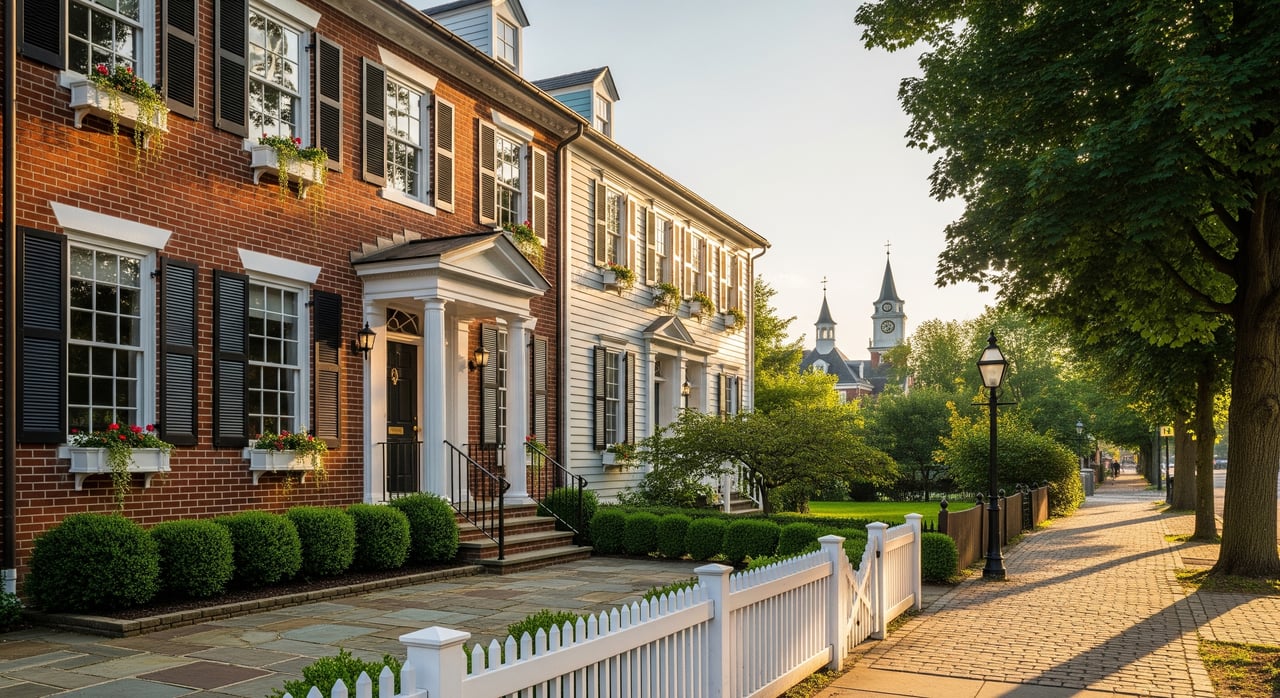
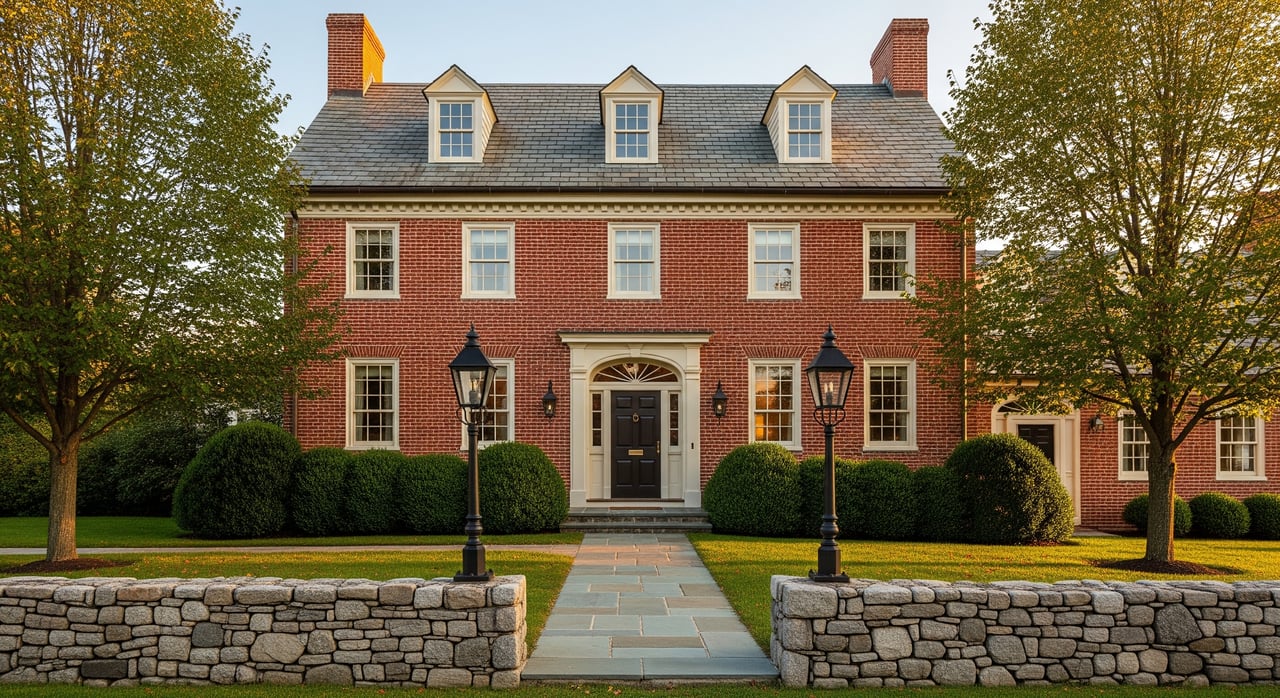
Lancaster City offers a dense, historic fabric with plenty of character. You’ll see classic rowhouses, walk-up apartments, loft-style condos in converted buildings, and pockets of small single-family homes. Many homes sit on smaller lots than you’ll find in nearby townships, which helps keep you closer to the core.
Downtown’s draw is real. Restaurants, galleries, the Fulton Theatre, and Lancaster Central Market are part of a walkable core that makes quick errands and nights out easy. For a flavor of the scene, browse this city spotlight on arts, food, and local favorites in Lancaster from Visit PA’s guide to the area’s getaway highlights: Lancaster’s arts and market culture.
Suburbs and boroughs overview
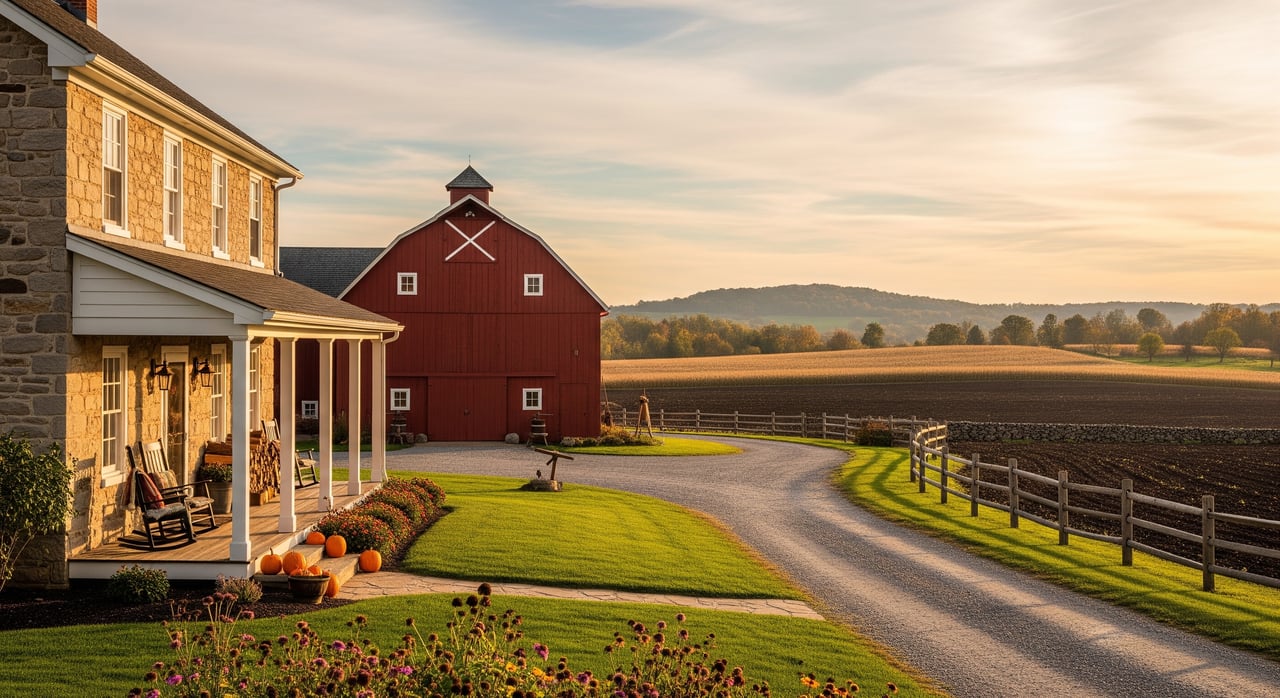
If you want more space and easier parking, nearby townships and boroughs are strong options. Common suburban targets include Lancaster Township, Manheim Township, East Lampeter Township, West Lampeter Township, and boroughs or communities such as Lititz, Neffsville, Mount Joy, Ephrata, and Columbia.
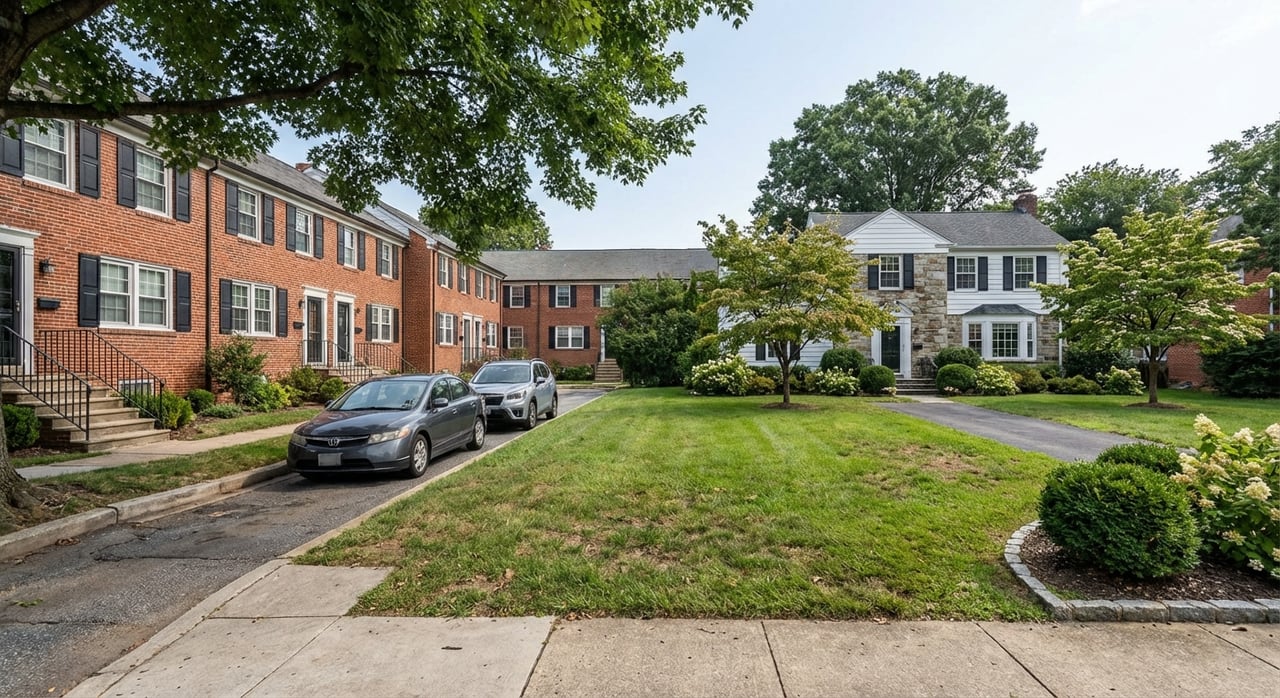
You’ll tend to see more single-family subdivisions, attached garages, and larger yards. Newer construction and townhome communities appear frequently in these areas, along with convenient access to retail corridors.
Price context you can use
Price snapshots vary by source and change month to month, so treat these as dated examples rather than permanent facts. The American Community Survey’s owner-occupied baseline for Lancaster City shows a median value of about $219,500 (2019–2023), which is lower than the county’s owner-occupied median. You can view the city’s ACS profile here: Lancaster City owner-occupied median value.
For current sale-price medians, vendors use different data windows. As an example, Redfin reported a Lancaster City median sale price of about $266,000 and a Lancaster County median near $320,000 in January 2026. Short-term medians move, so always note the vendor and the date.
What that means on the ground:
- City searches often surface smaller rowhouses, condos, and apartments in the lower to mid price bands relative to the county. Renovated rowhouses and downtown infill can command higher prices depending on finishes and location.
- Suburban searches more often return detached homes with garages and yards. Entry-level detached homes in close-in suburbs commonly appear in the roughly $300,000 to $450,000 band, while well-appointed homes in popular boroughs like Lititz and some Neffsville pockets often trade higher, frequently mid-$400,000s to $600,000+.
- Two nearby blocks can behave like different markets. Use recent sold data in your exact neighborhood and time frame to set expectations.
Commute times and transit
Average commute times in the city and county are similar by national standards. The U.S. Census shows mean one-way travel times around 23 to 24 minutes for both Lancaster City and Lancaster County. You can explore the QuickFacts data here: Lancaster commute time context.
Transit options
- Local bus: Red Rose Transit Authority (RRTA) connects many suburbs to downtown Lancaster. Coverage is strongest along major corridors, and frequencies vary by route and time of day. Check your routes and schedules here: RRTA schedules.
- Regional rail: Amtrak’s Lancaster Station (LNC) sits on the Keystone corridor with direct service to Philadelphia and connections to New York. Typical scheduled trip times are roughly an hour or a bit more to Philadelphia and in the multi-hour range to New York. See station details and timetables: Amtrak Lancaster Station.
Driving and congestion basics
Lancaster’s key corridors include US 30, PA 283, and US 222, which collect a lot of peak-hour traffic. The best test is your own: drive your likely route during your actual commute window and see how it feels. If you plan on regional travel, proximity to these arterials often matters more than whether your address is inside or outside city limits.
Parking realities
Parking is one of the biggest daily-life differences between city and suburbs.
- City parking: Expect a mix of on-street paid spaces, multi-space kiosks, and public garages operated by the Lancaster Parking Authority. A recent example is the Christian Street Parking Garage project downtown. If you are evaluating a home without a dedicated driveway, learn your permit options and nearby garages: Lancaster Parking Authority project update.
- Suburban parking: Most single-family homes come with off-street parking and attached garages. Shopping areas typically offer free surface lots. For example, Park City Center provides free parking for everyday errands: Park City Center visitor info.
Lifestyle and amenities
- City strengths: A walkable downtown puts galleries, restaurants, and cultural venues within easy reach. The Lancaster Central Market and the Fulton Theatre are part of a concentrated core that rewards short, non-car trips. For a quick cultural overview, see Visit PA’s round-up of Lancaster experiences: Downtown arts, markets, and more.
- Suburban strengths: Larger yards, garages, and newer homes are common. Retail clusters like Park City Center, Tanger Outlets, and Rockvale simplify errands and big-box shopping. Many buyers also prize quick drives to rural open spaces, farmers’ markets, and agritourism that ring the suburbs.
How to choose: a simple plan
Start with your non-negotiables, then map them to neighborhoods that fit.
- Set hard limits and needs
- Maximum total monthly payment.
- Maximum one-way commute time by your most likely mode.
- Must-haves: garage, yard size, bedroom count, year built, or special features.
- Search by housing type
- If you want a historic rowhouse and walkability, target city neighborhoods and accept smaller yards and paid parking.
- If you want a two-car garage and a larger lot, focus on townships like Manheim Township, Lancaster Township, East Lampeter, West Lampeter, and boroughs such as Lititz or Mount Joy.
- Reality-check commutes
- The Census mean of ~23 to 24 minutes is helpful context, but your route is what matters. Drive it during peak periods.
- If you rely on transit, confirm your RRTA route and frequency for your actual work hours: RRTA schedules. For regional trips, review specific trains and times from Amtrak Lancaster Station.
- Verify parking before you fall in love
- City: Ask about off-street parking, permit rules, and the nearest public garages. The Lancaster Parking Authority is your go-to for permit and garage info: LPA project reference.
- Suburbs: Confirm garage size, driveway capacity, and HOA rules for street parking.
- Price-check with dates and sources
- Use vendor and date whenever you quote medians. Example: “As of Jan 2026, Redfin reported a Lancaster City median of about $266,000 and a Lancaster County median near $320,000.”
- For long-run baselines, ACS owner-occupied values are a stable reference: Lancaster City ACS profile.
- For the most precise picture, ask your agent for recent sold comps in the exact neighborhood and price band you’re targeting.
Quick pros and cons
City of Lancaster
- Pros: Walkability, arts and dining close by, smaller units that can lower the entry price, rich historic housing stock.
- Consider: Limited private parking at many homes, paid parking downtown, smaller lots, and unit-by-unit variation in renovation quality.
Suburbs and boroughs
- Pros: Larger yards, attached garages, newer construction options, easier daily parking, strong access to shopping corridors.
- Consider: More driving for errands, less walkable feel in some areas, and higher entry prices for detached homes in popular pockets.
When a local, construction-minded agent helps
If you are weighing a city rowhouse against a suburban two-story, the inspection and renovation picture can be very different. A construction-informed eye can help you compare repair timelines, roof and masonry needs, parking workarounds, and what it really costs to add or upgrade a garage, driveway, or outdoor living space. That clarity often makes the decision obvious.
Ready to talk specifics for your budget, commute, and wish list? Connect with Rachel Stoltzfus for a local market chat or a focused suburban-versus-city tour plan.
FAQs
What are typical Lancaster City home prices vs suburbs in 2026?
- As a dated snapshot, Redfin reported a Lancaster City median sale price of about $266,000 and a Lancaster County median near $320,000 in January 2026. Figures vary monthly and by vendor, so confirm the latest comps with your agent.
How long is the average commute in Lancaster County?
- The U.S. Census shows mean one-way commute times around 23 to 24 minutes for both Lancaster City and the county. See context here: Census QuickFacts.
Does Lancaster have practical public transit for daily use?
- RRTA runs fixed bus routes that connect many suburbs to downtown, with coverage strongest along main corridors and frequency varying by route and time. Check your exact route and schedule: RRTA schedules.
Can I commute by train from Lancaster to Philadelphia or New York?
- Yes. Amtrak’s Keystone Service stops at Lancaster Station with direct trips to Philadelphia and connections to New York. Scheduled times are roughly an hour or a bit more to Philadelphia and multi-hour to New York: Amtrak Lancaster Station.
What should I know about parking if I buy downtown?
- Expect on-street paid parking, kiosks, and public garages. Many homes lack private driveways, so learn your permit options and nearby garages with the Lancaster Parking Authority: LPA project reference.
Which Lancaster suburbs are good for a yard and garage?
- Look at Lancaster Township, Manheim Township, East Lampeter, West Lampeter, and boroughs or communities like Lititz, Neffsville, Mount Joy, Ephrata, and Columbia. You’ll find more detached homes, garages, and larger lots in these areas.
Where can I find up-to-date price data for my target neighborhood?
- Treat public medians as helpful context, but rely on a local MLS agent for recent sold comps on your exact block or subdivision. Always note the vendor and date for any stat you reference.