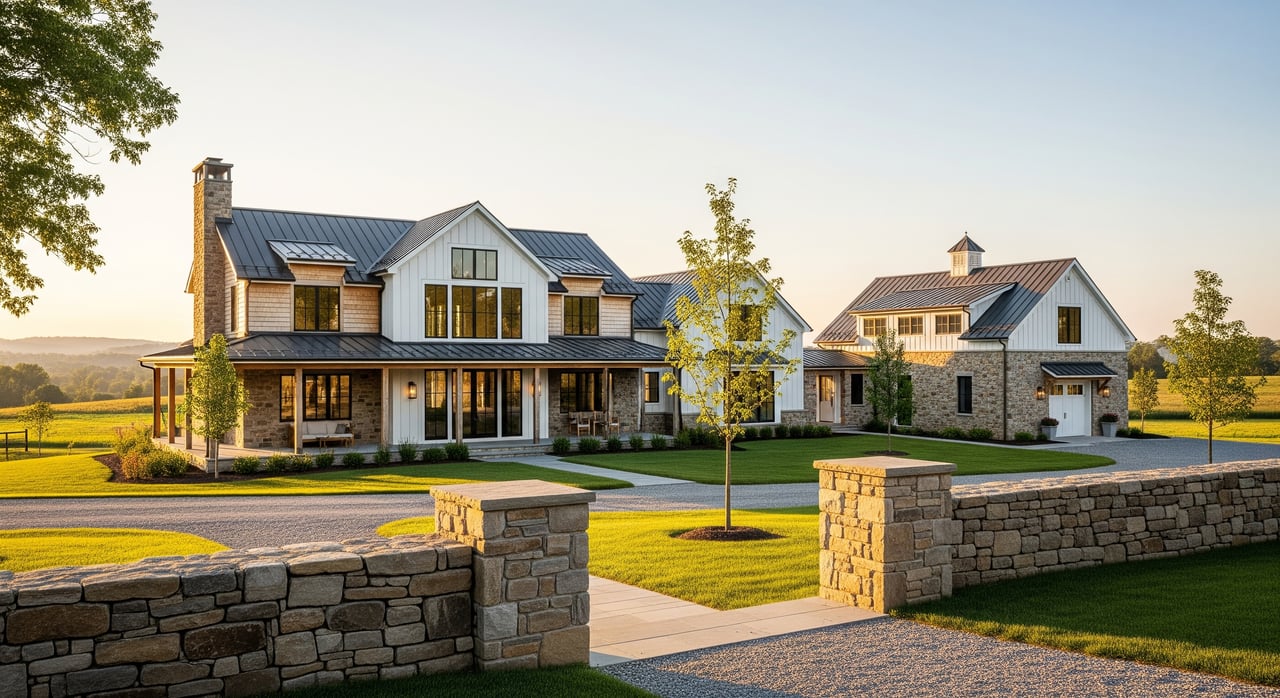
Thinking about building your dream home in Paradise Township but unsure where to start? You are not alone. New construction in Lancaster County has unique steps, from septic approvals to driveway permits, and the details can feel overwhelming. In this guide, you will learn how to evaluate land, understand permits, plan your budget and timeline, and see how a local advocate helps you avoid costly missteps. Let’s dive in.
Why build in Paradise
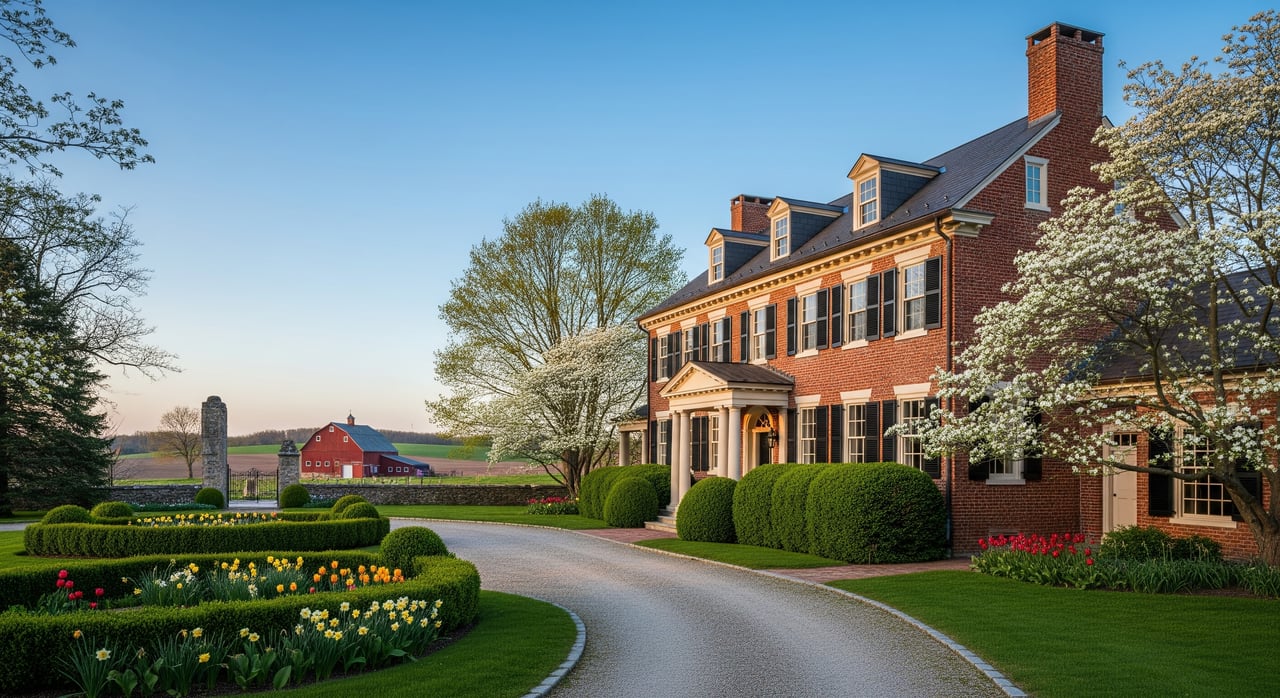
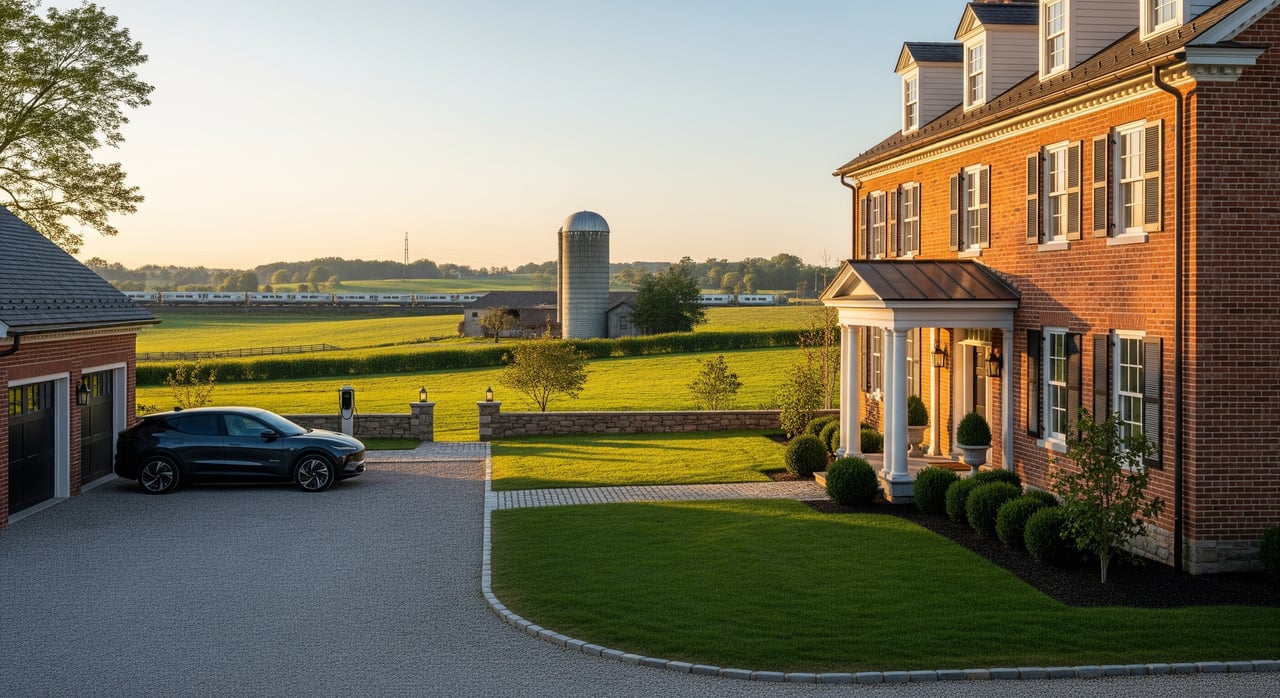
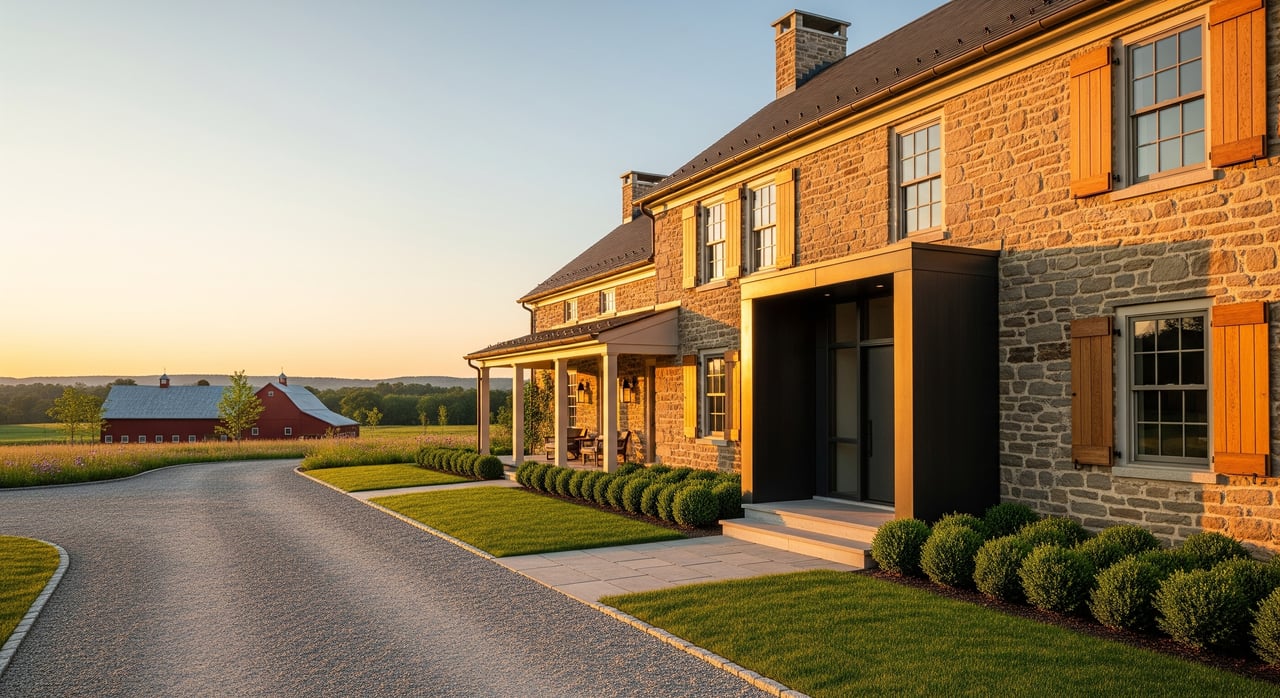
Paradise offers a peaceful, rural setting with quick access to Lancaster County’s amenities. You will find open landscapes, working farms, and a close-knit community feel. Many buyers choose Paradise for its space, slower pace, and proximity to regional routes. Before you purchase land, confirm the exact municipal jurisdiction because rules vary by township.
What makes land buildable
A lot is buildable only if it satisfies zoning, septic, water, access, and environmental requirements. In Paradise Township, start by confirming the property’s zoning district and use permissions. Then evaluate on-lot sewage feasibility, water source, and any overlays like floodplain or conservation.
Key checks include:
- Zoning: Use, setbacks, lot coverage, and any overlay districts.
- Sewage: Soil testing and approval by the local Sewage Enforcement Officer (SEO).
- Water: Private well feasibility or confirmation of public water availability.
- Access: Driveway permit for township roads or a PennDOT permit if the access is onto a state route.
- Utilities: Electric service proximity, gas or propane plan, and broadband options.
- Environmental: Floodplain and wetlands review; check for conservation easements or deed restrictions.
Permits and approvals in Paradise
You will work with several offices for permits and inspections. Paradise Township handles zoning and building permit approvals under Pennsylvania’s Uniform Construction Code. A designated inspection agency or municipal inspector will perform staged inspections during the build. The SEO manages septic permits and inspections. If your project disturbs a larger area of soil, you may need erosion and sediment control plans or a construction stormwater permit through state or county programs. For driveways onto state roads, work with the PennDOT district office. Always confirm which agencies apply to your specific site before you submit applications.
Septic, wells, and utilities
Many Paradise-area properties rely on an on-lot septic system and a private well. A soil evaluation is typically required before a septic permit is approved. Restrictive soils, high groundwater, or rock can require alternative system designs and larger drain fields, which can increase costs. For wells, licensed drillers provide well logs and yields, and you should confirm water quality and expected depths in the immediate area.
Utility planning is also essential. If the lot is far from existing electric lines, you may face line extensions or transformer costs. Natural gas is not always available, so many rural homes use propane. Broadband access varies by road and provider, which matters if you work from home. Get written estimates for utility connections early in your process.
Budget: beyond the base build
A construction contract usually does not include all site-specific costs. Plan for:
- Lot purchase and closing costs
- Soil testing, septic design and installation, and well drilling or water connection fees
- Site clearing, grading, driveway and erosion controls
- Utility connections or extensions for electric, gas/propane, and communications
- Building, inspection, and potential impact or tap fees
- Landscaping and exterior finishes
- A contingency fund for unforeseen site or supply issues
Property taxes and school district assignment will affect your long-term costs. Confirm current millage rates and assessments with county and local tax offices.
Timeline: from lot to keys
New construction follows a predictable path, with timing based on weather, materials, and permit loads:
- Site selection and lot purchase
- Soil and well testing
- Architectural plans and engineering
- Zoning and land development approvals if required
- Building permit issuance
- Site work and foundation
- Framing and rough-in inspections for mechanical, plumbing, and electrical
- Insulation, drywall, and interior finishes
- Final inspections and certificate of occupancy
Expect timing shifts from seasonal weather, supply delays, subcontractor scheduling, or permit backlogs. Build in flexibility and keep communication clear with your builder and township.
Choosing and vetting a builder
Work with a licensed builder who knows Lancaster County codes and soils. Focus on recent local projects and clear documentation. Ask for:
- Proof of insurance and licensing
- A portfolio of local builds and client references
- Standard warranty details and punchlist process
- A transparent schedule, payment terms, and change-order procedure
- A list of typical subcontractors and suppliers
Review the contract closely. Clarify fixed-price vs. cost-plus, deposit protections, draw schedules, and expectations for schedule changes. Consider holding a small amount until punchlist items are complete and all inspections are finalized.
Financing new construction
Many buyers use construction-to-permanent loans. Lenders approve the builder and your detailed budget, then release funds in draws after inspections. Interest during construction may differ from your final mortgage terms. Some buyers use separate construction loans or builder-arranged options. Confirm requirements early, especially for government-backed loans with specific appraisal and construction rules. Get pre-qualified and ensure your lender is experienced with Lancaster County new builds.
How a local advocate helps
A local advocate saves you time, reduces risk, and keeps your build on track. With knowledge of Paradise Township rules and Lancaster County practices, your advocate can help you:
- Confirm municipal jurisdiction and zoning before you go under contract
- Coordinate and interpret SEO and well findings so you understand your options
- Plan a realistic budget for site work, septic, wells, and utility extensions
- Track permit steps, inspection milestones, and expected timelines
- Negotiate land purchase terms and builder contract protections
- Attend key site visits, align punchlists, and confirm final documentation for occupancy
Pre-purchase lot checklist
Use this quick list before you finalize a lot purchase:
- Confirm the property is within Paradise Township and verify zoning for your intended use
- Obtain a soil/site evaluation and preliminary septic feasibility from the SEO
- Verify water source and review nearby well depths and quality, or confirm public water
- Check floodplain maps, wetlands, and any conservation easements
- Ask utility providers for written quotes on electric, gas/propane, and Internet service
- Review the deed for easements, shared driveways, and restrictions
- Get preliminary site-prep quotes for clearing, grading, and driveway
Questions to ask a builder
- How many Lancaster County homes have you completed in the last few years, and can I visit them?
- Can you provide proof of insurance, licensing, and recent local references?
- What is your standard warranty and punchlist process after move-in?
- Who are your typical subcontractors and suppliers locally?
- How do you handle change orders, allowances, and schedule delays?
Documents to keep
Keep a complete file so closing and warranty claims are simple:
- Approved building permit and stamped plans
- SEO septic approval and all inspection reports
- Well driller logs and water test results
- Municipal inspection signoffs and final certificate of occupancy
- Builder contract, change orders, invoices, lien waivers, and warranty documents
Ready to explore land and start a smart, well-planned build in Paradise? With construction-informed guidance and local know-how, you can move forward with confidence. If you want a steady advocate who understands septic, wells, permits, and builder contracts in Lancaster County, connect with Rachel Stoltzfus to map out your next steps.
FAQs
Is Paradise Township a good place to build a new home?
- Yes, if you want rural character with access to Lancaster County amenities; confirm commute needs, services, and municipal rules before you commit.
How do I confirm a Paradise lot is buildable?
- Verify zoning, pass a soil evaluation with the SEO, confirm a water source, check floodplain and wetlands, and secure driveway and utility feasibility.
Who issues building and septic permits in Paradise?
- Paradise Township manages zoning and building permits, while the local Sewage Enforcement Officer oversees septic permits and inspections.
Do I need approvals for driveways in Paradise?
- Yes; township roads require a township driveway permit, while access onto a state route requires a PennDOT driveway permit.
How long does a new build typically take in Paradise?
- Timelines vary, but expect planning, permits, site work, inspections, finishes, and a final certificate of occupancy; weather and supply issues can extend schedules.