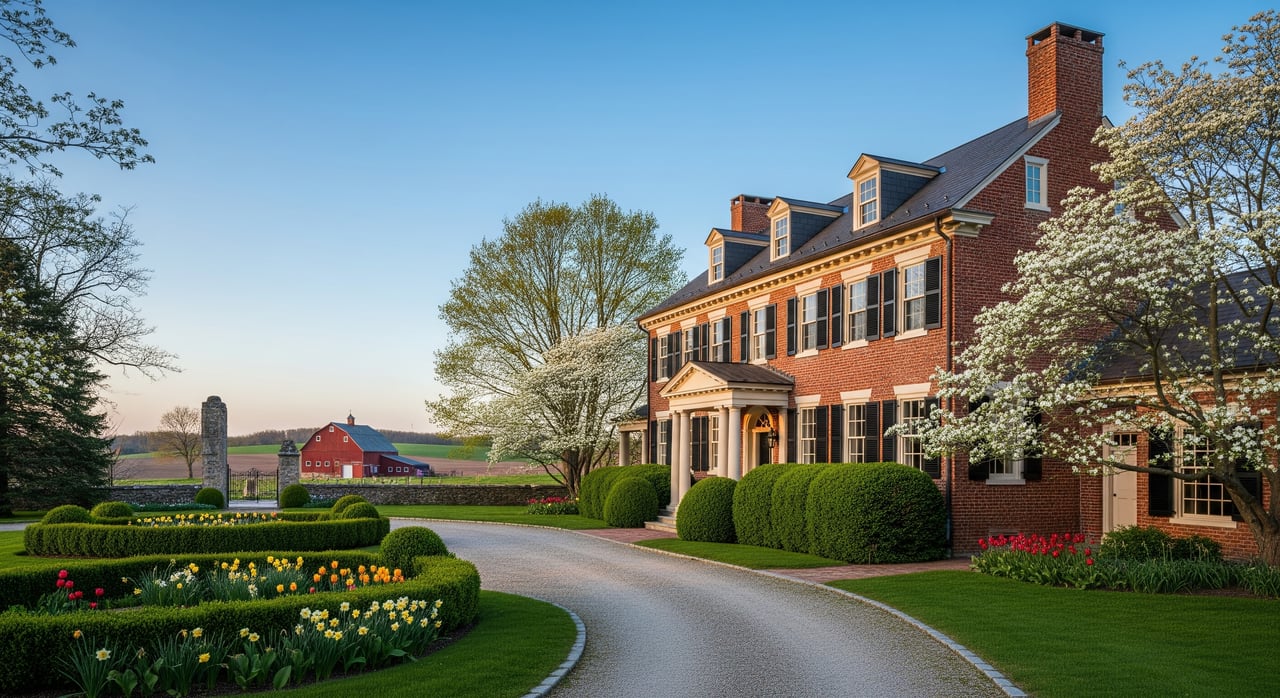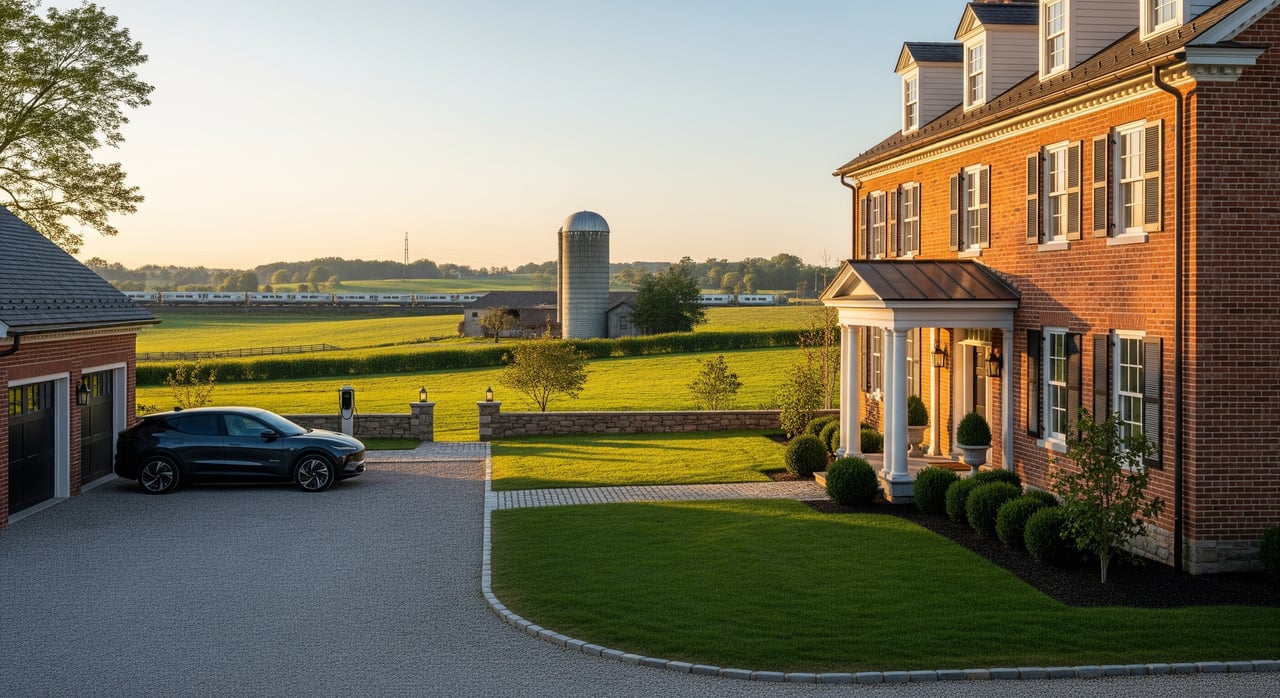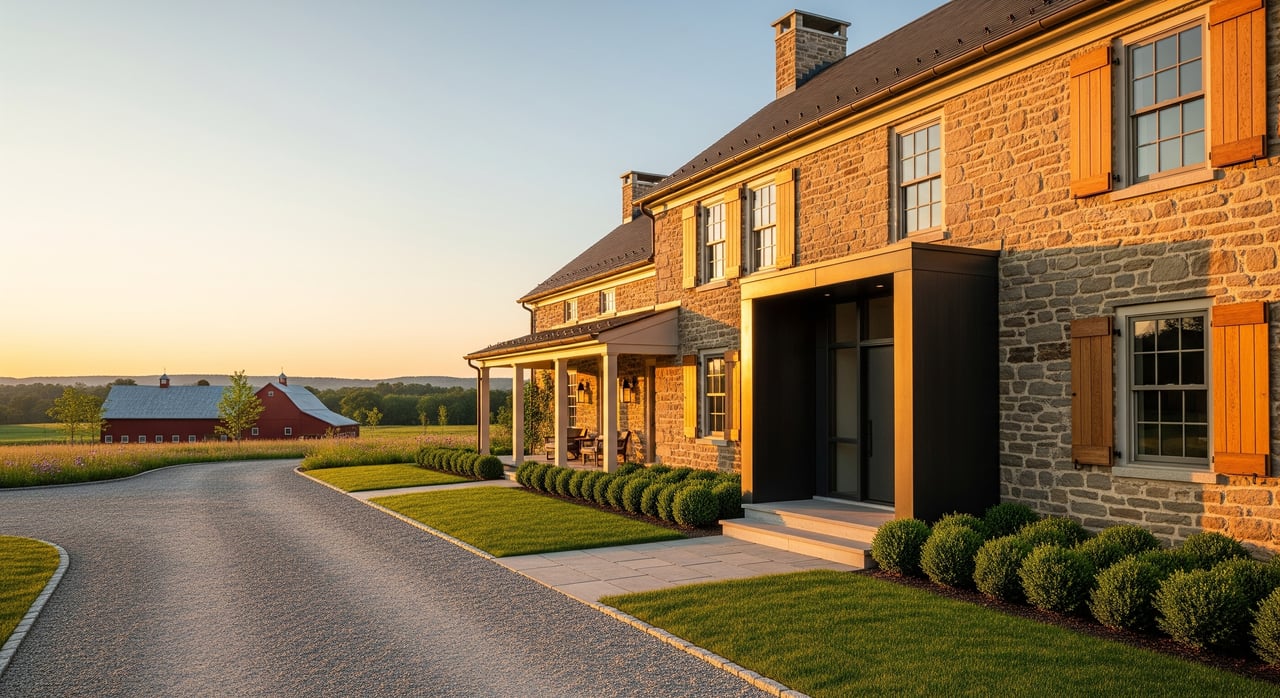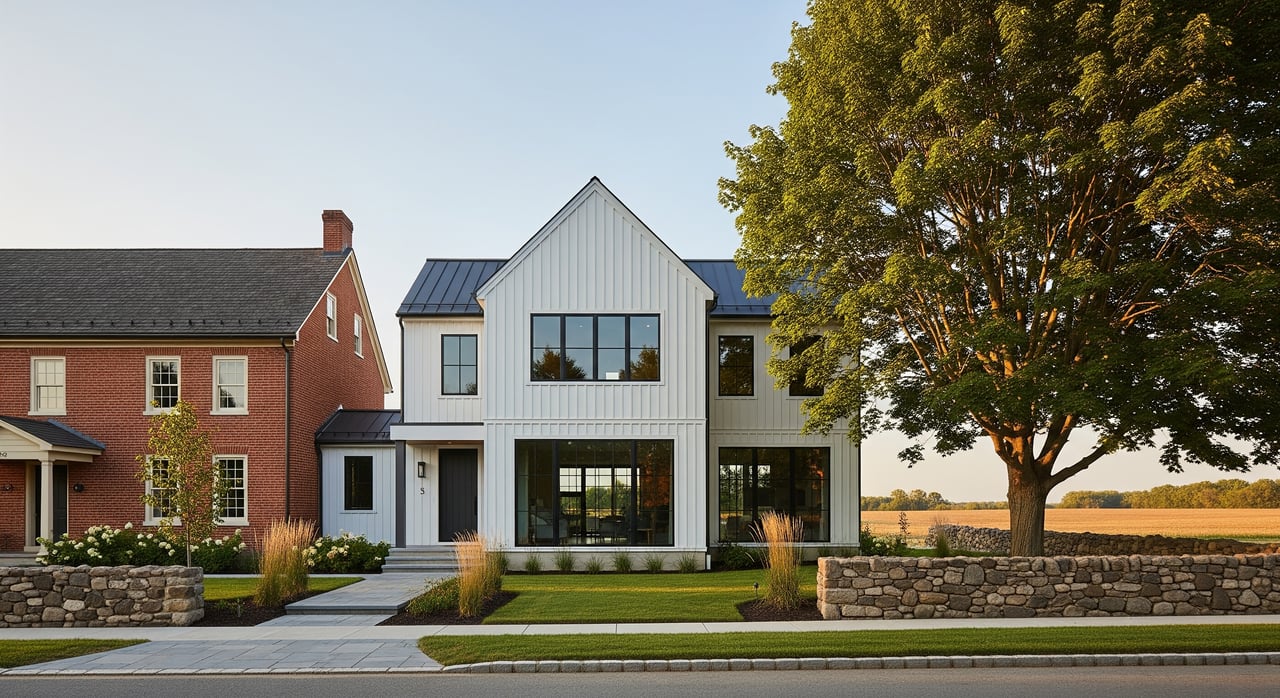
Should you buy a brand-new home or a resale in Willow Street? If you are comparing floor plans, budgets, and timelines, it can feel like a tough call. You want the right layout, a fair price, and minimal surprises after closing. This guide breaks down the real differences in costs, process, inspections, lots, and long-term value in Willow Street so you can choose with confidence. Let’s dive in.
New vs. resale: quick take
- New construction often carries a price premium, but you get modern layouts, new systems, and a builder warranty.
- Resale homes can cost less upfront and sit in established neighborhoods, but you should budget for repairs or updates.
- New builds offer customization and incentives but involve longer timelines and construction risk. Resales close faster with standard forms and clearer condition history.
Willow Street market context
Willow Street sits in West Lampeter Township in Lancaster County. It blends older single-family homes, small subdivisions, and periodic new projects. Many buyers are drawn by suburban space with workable commutes to Lancaster and nearby employers. Families, commuters, and downsizers are common in the buyer pool.
Most of Willow Street is generally served by Lampeter-Strasburg School District. Always verify current school assignments directly with the district. For the freshest market stats like inventory and days on market, review Bright MLS data or local reports from the Lancaster County Association of REALTORS. Township and county planning offices can confirm where new subdivisions are approved or underway.
Prices, costs, and financing
Purchase price differences
New construction commonly prices above comparable resales due to builder margins, modern features, and buyer demand for brand-new condition. Resales may offer a lower price per square foot, especially if they need updates. To get a clear comparison, pull local comps in Willow Street and compare base prices, lot premiums, and upgrade lists side by side.
Upgrades, options, and fees
New-build pricing often starts with a base number. Options like kitchens, floors, finished basements, exterior features, and landscaping can add significant cost. Lot premiums and community amenities may also apply. Resales can save you upfront, but set aside funds for near-term maintenance like HVAC, roofs, windows, and cosmetic changes.
Closing costs apply in both cases, but builders sometimes offer incentives such as paid closing costs or rate buydowns. Weigh any incentive against the total price and long-term monthly payment.
Financing choices
- Resale: Standard mortgage with an appraisal based on recent comparable sales.
- New construction: You may use a construction-to-permanent loan or the builder’s preferred lender program. Preferred lenders can offer incentives, but you should still compare the full loan costs. FHA and VA loans can be used on new builds if the builder and property meet program requirements.
Because build timelines stretch over months, interest-rate risk matters. Ask about extended rate locks or buydowns, and understand the cost to secure them.
Taxes and insurance
New homes are assessed after completion. Contact the Lancaster County Assessment Office and West Lampeter Township to understand current assessment practices and local millage. Check for any township impact or connection fees tied to new development. Insurance premiums can vary by age and condition of systems. Speak with a local insurer and compare replacement-cost coverage across options.
Process, timing, and risk
Timelines
- Resale: Once under contract, most closings take about 30 to 45 days, depending on financing and inspections.
- New construction: Build times range from a few months for a move-in-ready spec home to a year or more for a custom build. Weather, labor, and supply availability can shift schedules, so build in margin.
Contingencies and risk
Resales carry typical risks such as hidden defects or needed repairs, which you manage with inspections and contingencies. New construction risk centers on delays, change orders, and workmanship quality. Clarify remedies, timelines, and warranty steps in writing before you sign.
Contracts and negotiation
Builder contracts are often builder-authored and can include arbitration clauses or limited remedies. Consider having an attorney review them, especially for custom builds. Resale contracts usually follow Pennsylvania association forms with standard contingencies.
On price, builders may hold firm but can be flexible on upgrades, lot premiums, or closing incentives. Resale negotiations depend on market conditions, inspection results, and seller motivation.
Inspections and warranties
Inspections for resale homes
Plan a full home inspection and add specialists as needed. Depending on the property, that can include roof, HVAC, pest, radon, sewer, or well and septic testing. Inspection findings often lead to repair requests or credits.
Inspections for new construction
Even with township inspections, hire your own inspector. Schedule checks at key stages like foundation, pre-drywall, and final walk-through. Independent inspections catch workmanship or code issues early when fixes are easier.
Warranties
Most new homes include a builder warranty that commonly follows a 1-year workmanship period, a 2-year systems period, and a 10-year structural period. Confirm exact terms, coverage limits, and who provides the warranty. Resale buyers can purchase a home warranty, but older homes usually do not include long-term structural coverage.
Environmental factors
Lancaster County has radon potential. Whether you buy new or resale, test during the transaction. For wells and septics, consult the Lancaster County Department of Health for testing guidance and rules. Keep records of test results and any mitigation for future resale.
Lots, zoning, and neighborhood fit
Lots and site work
New subdivisions use modern stormwater systems, planned grading, and open spaces. Covenants can guide exterior appearance and accessory structures. Resale lots may offer mature trees and established landscaping. Older outbuildings or nonconforming features can be charming but may require added maintenance.
Utilities and connections
Confirm whether a property is on public water and sewer or private well and septic. This impacts both upfront costs and ongoing maintenance. In new communities, ask about connection fees or assessments. The West Lampeter Township Building and Zoning Office can confirm permits and utility details for specific addresses.
HOAs and rules
Many new neighborhoods have HOAs. Review fees, covenants, rental rules, pet policies, architectural review standards, and reserve fund health. Established neighborhoods may have no HOA or long-standing practices you can evaluate through resale disclosures and township records.
Transportation and amenities
Willow Street’s suburban and rural pattern means you will likely rely on a car. Compare commute routes, grocery access, healthcare, and recreation when choosing between neighborhoods. New communities sometimes include trails or playgrounds that add appeal and cost through HOA dues.
Schools and enrollment
If school assignment matters to you, verify boundaries with the Lampeter-Strasburg School District before you make an offer. If a subdivision spans lines or is new, confirm transportation and enrollment details directly with the district.
Environmental context
Check FEMA flood maps and township records for floodplains or wetlands. Parts of Lancaster County border active farmland. You may experience farm equipment on roads, seasonal smells, and crop treatment activity. Decide if that lifestyle fits your daily routine.
Resale value and long-term view
New homes offer efficient systems, modern layouts, and fresh finishes that many buyers want. If the home is priced at a premium, near-term appreciation can be modest, but maintenance needs should be lower at first. Resale homes in established areas can perform well when kept updated, especially where lot character, landscaping, and location are well regarded. Your net result comes down to purchase price, ongoing maintenance, and how your home stacks up against future competition.
Which path fits you?
- Choose new construction if you value customization, lower short-term maintenance, and warranties. Be comfortable with longer timelines and careful budget control for options.
- Choose resale if you prefer an established neighborhood, a faster move, and possible upfront savings. Plan for inspections and set a realistic update budget.
- Either way, verify taxes, utility connections, HOA rules, school boundaries, and environmental factors with the appropriate county, township, and district offices before you decide.
If you want a side-by-side comparison of specific Willow Street homes and current builder options, let’s talk. With construction-informed guidance, we can weigh costs, timelines, inspections, and resale potential so you feel confident on day one and years later. Reach out to Rachel Stoltzfus for a local, hands-on plan.
FAQs
Is new construction usually more expensive in Willow Street?
- New builds often carry a premium over comparable resales due to modern features and builder costs. Compare local comps and itemized upgrade lists to see the real gap.
How long does a Willow Street new build take?
- Timelines vary. Move-in-ready spec homes may close in a few months, while custom builds can take much longer depending on weather, labor, and materials.
Do I need inspections on a new home in Lancaster County?
- Yes. Schedule independent inspections at foundation, pre-drywall, and final stages to catch workmanship or code issues before closing.
Who handles permits and zoning for Willow Street properties?
- West Lampeter Township manages permits and zoning. Contact the township for records on building permits, subdivision conditions, and utility connections.
How do school boundaries work near Willow Street?
- Much of Willow Street is generally served by Lampeter-Strasburg School District, but boundaries change. Verify your specific address with the district before you buy.
What extra costs should I expect with new construction?
- Budget for upgrades and options, landscaping and driveways, and potential connection or impact fees. Review builder contracts closely to avoid surprises.